
Cisterna Bio has successfully completed Phase I NSF project titled: Development of a Novel Platform for Cost-Efficient mRNA Production in Yeast
Project Outcomes Report has been published at https://www.nsf.gov/awardsearch/show-award/?AWD_ID=2415711
Disclaimer: This Project Outcomes Report for the General Public is displayed verbatim as submitted by the Principal Investigator (PI) for this award. Any opinions, findings, and conclusions or recommendations expressed in this Report are those of the PI and do not necessarily reflect the views of the National Science Foundation; NSF has not approved or endorsed its content.
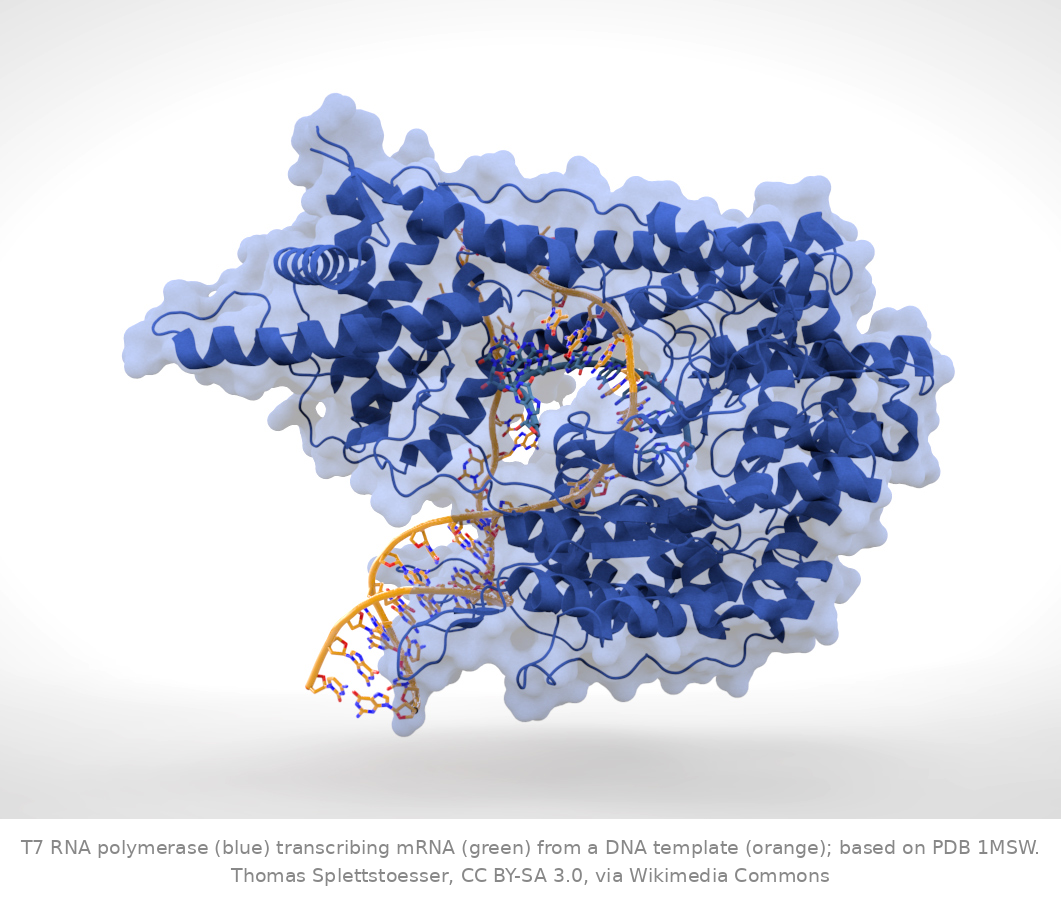
Messenger RNA (mRNA) is emerging as a powerful new class of medicines, enabling novel therapies such as personalized cancer vaccines, protein replacement therapies, and treatments for rare genetic disorders. However, nearly all mRNA today is manufactured using an enzymatic process known as in vitro transcription. While effective, this method is resource-intensive, costly, and can generate ‘length’ impurities that may limit the use of mRNA in high-dose therapeutic applications. Developing alternative, scalable, and non-immunogenic production approaches is critical to expanding the impact of mRNA beyond infectious disease vaccines.
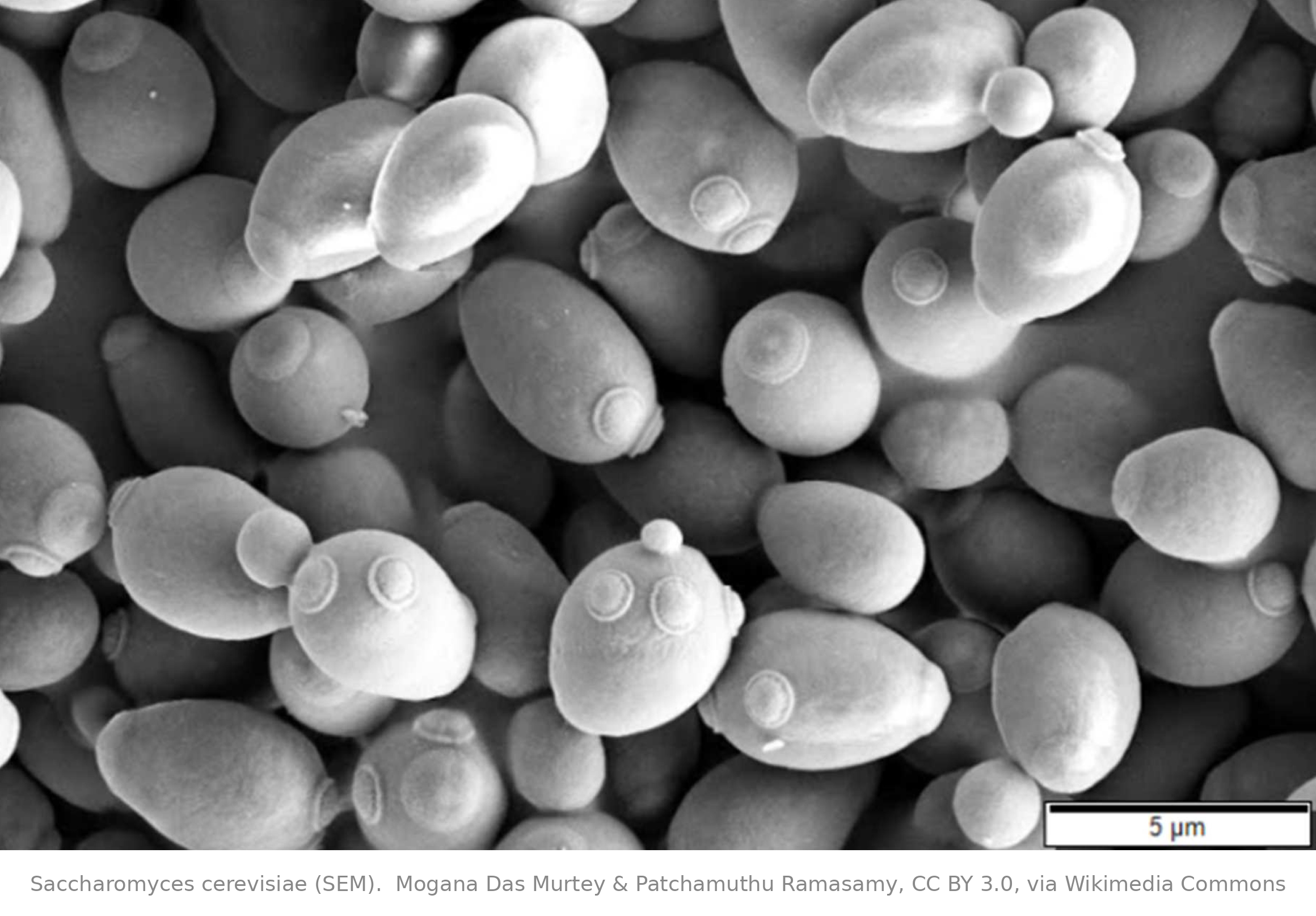
The goal of this NSF SBIR Phase I project was to evaluate the feasibility of producing therapeutic mRNA inside yeast cells rather than synthesizing it entirely outside of living systems. Yeast is widely used in biotechnology because it is inexpensive, scalable, and well understood in industrial settings. We sought to determine whether yeast could be engineered to produce a specific recombinant mRNA and whether that mRNA could be selectively purified and shown to function in human cells.
During this project, we successfully engineered the yeast Pichia pastoris to produce a target mRNA molecule. We identified optimal expression conditions that maximized intact mRNA yield while minimizing degradation. Because total cellular RNA contains thousands of endogenous transcripts, most of which are not useful for therapeutic purposes, we developed a purification workflow capable of selectively enriching the target mRNA from complex yeast RNA mixtures.
A key technical achievement was demonstrating a sequence-guided capture-and-release purification strategy that allowed selective isolation of full-length target mRNA while excluding unwanted RNA species. This approach enabled recovery of a purified mRNA product without relying solely on traditional length-based separation methods. We also established simplified RNA extraction techniques that reduce reliance on harsh chemical treatments and mechanical disruption, improving scalability and workflow efficiency.
Importantly, we validated the biological activity of the yeast-produced mRNA. When introduced into human cells in culture, the purified mRNA directed the production of a fluorescent protein, which could be visually detected directly under a microscope. This result confirms that mRNA produced in yeast can remain functional in mammalian systems. To our knowledge, this work provides one of the first demonstrations that yeast-produced and purified recombinant mRNA can drive visible protein expression in human cells.
These findings establish proof-of-concept for a new paradigm in mRNA manufacturing: shifting production from a fully cell-free chemical process to a biologically driven expression system coupled with selective purification. From an intellectual merit standpoint, this work advances fundamental knowledge in RNA engineering, transcript stabilization, and selective RNA purification from complex biological systems. It demonstrates that engineered biological systems can be used to produce well-defined mRNA molecules suitable for therapeutic development.
The broader impacts of this work are (1) A yeast-based production platform has the potential to reduce the cost and complexity of mRNA manufacturing, enabling more accessible therapeutic development. (2) Improved purification strategies may reduce immunogenic impurities, expanding the safe use of mRNA in protein replacement therapies, gene editing applications, and rare disease treatments. By exploring scalable, biological production systems, this project contributes to strengthening U.S. biomanufacturing capabilities and workforce development in advanced RNA technologies. Overall, this Phase I effort demonstrates the feasibility of yeast-based mRNA production and lays the foundation for further optimization and scale-up in future development stages.